Introduction
The period between the late 18th century and early 19th century is known as the Age of Revolutions. During this time, major political, social, and economic changes took place across the world. These revolutions transformed societies and led to the rise of modern nations.
The most important revolutions during this period were:
- The American Revolution (1775–1783)
- The French Revolution (1789–1799)
- The Industrial Revolution (18th–19th century)
The American Revolution
Causes
- High taxes imposed by Britain such as Stamp Act and Tea Act
- Lack of representation in British Parliament
- Desire for self-government
Important Events
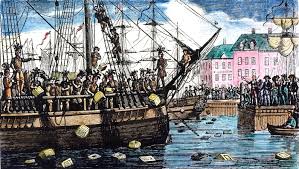
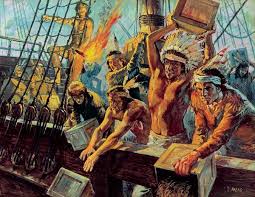
- Boston Tea Party (1773)
- Declaration of Independence (1776)
- War between American colonies and Britain
Results
- America became an independent nation
- Formation of the United States of America
- Inspired other revolutions worldwide
The French Revolution
Causes
- Social inequality between the three estates
- Heavy taxation on the common people
- Extravagant lifestyle of the king
- Influence of Enlightenment ideas
Key Events
- Storming of the Bastille (1789)
- Declaration of the Rights of Man
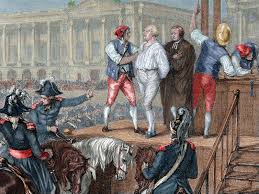
- Reign of Terror
Results
- End of monarchy in France
- Rise of democracy
- Spread of revolutionary ideas
The Industrial Revolution
Meaning
The Industrial Revolution refers to the transition from hand production methods to machine-based manufacturing. It began in Britain and later spread to other parts of the world.
Causes
- Availability of natural resources like coal and iron
- Technological inventions
- Growth of trade and capital
Important Inventions
- Spinning Jenny
- Steam Engine
- Power Loom
Effects
- Growth of industries and factories
- Urbanization (people moved to cities)
- Improvement in transportation
- New social classes emerged
Impact of the Age of Revolutions
- Spread of democratic ideas
- End of absolute monarchies
- Rise of nationalism
- Improvement in economic systems
- Growth of modern industries
These revolutions laid the foundation for the modern world we live in today.
Conclusion
The Age of Revolutions was a turning point in world history. It brought major changes in political systems, economic structures, and social conditions. The ideas of freedom, equality, and rights continue to influence societies even today.
Understanding these revolutions helps students appreciate the struggles and achievements that shaped modern civilization.